
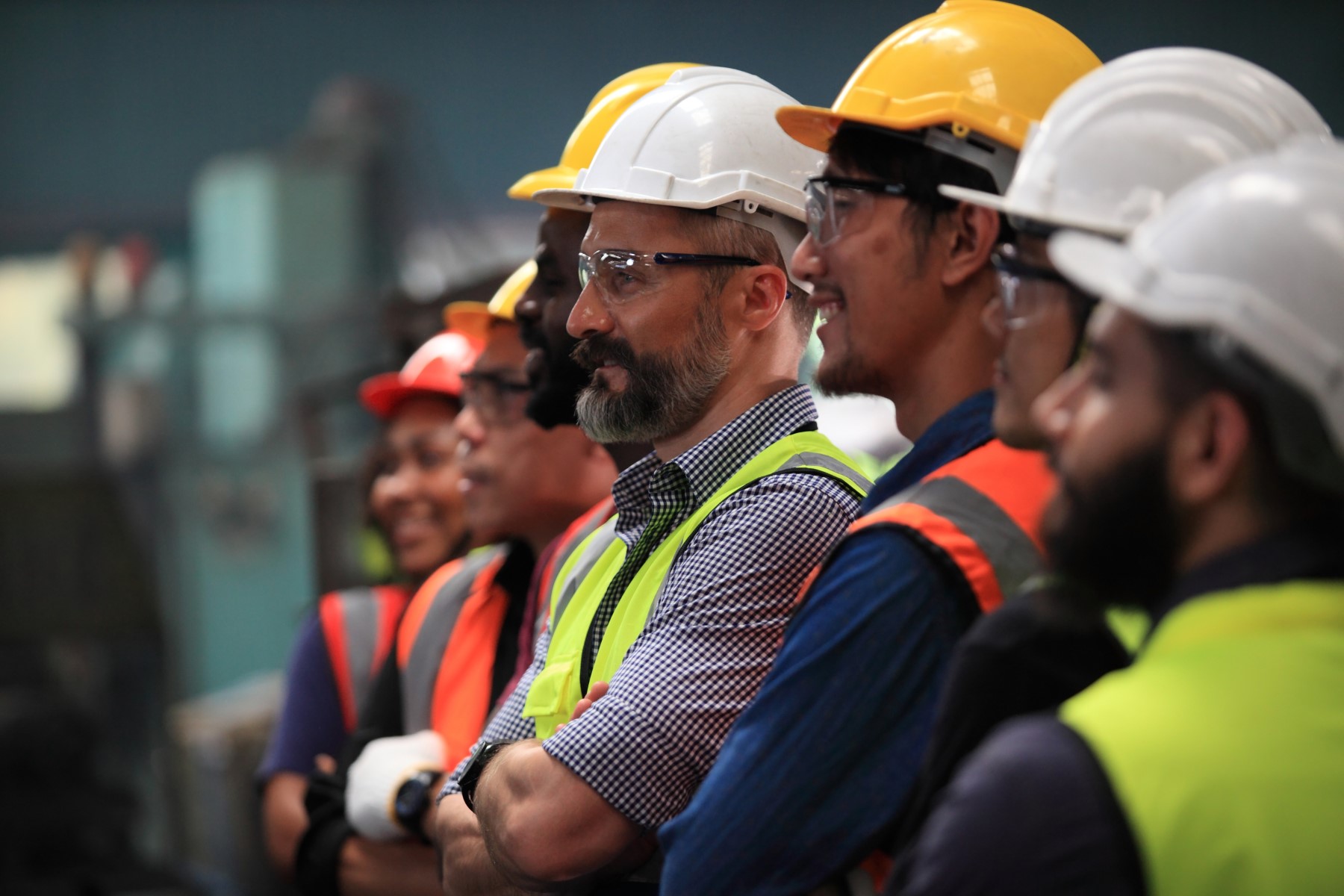
The transition period after holiday breaks represents a critical safety window across industrial sectors. The Bureau of Labor Statistics’ most recent data reveals sobering statistics about workplace injuries in key industries, highlighting the importance of vigilant safety protocols during return-to-work periods.
The Scale of Workplace Safety Challenges
According to the Bureau of Labor Statistics’ comprehensive 2022 report, American industries face significant safety challenges:
The installation, maintenance, and repair sector recorded 200,100 nonfatal injuries and illnesses. This statistic shows the substantial risks faced by workers in automotive and equipment maintenance roles. Each of these incidents represents a worker whose life was impacted by a workplace injury.
Construction and extraction occupations experienced 158,200 nonfatal injuries. These incidents occurred across various activities, from infrastructure development to industrial construction, demonstrating the widespread nature of workplace safety challenges.
Understanding the Financial Impact
The National Safety Council’s latest research reveals that workplace injuries cost American employers $163.9 billion annually in combined direct and indirect costs. For self-insured companies, these expenses directly impact the bottom line, making prevention not just a safety priority but a financial imperative.
High-Risk Activities in Industrial Settings
The Occupational Safety and Health Administration (OSHA) identifies several critical safety concerns in industrial workplaces. Their data shows that in the construction industry alone:
Falls from heights account for 33.5% of all fatalities, making them the leading cause of death in construction settings. This statistic emphasizes the crucial importance of fall protection systems and safety protocols.
Struck-by incidents represent 15.2% of construction fatalities. These accidents, often involving heavy equipment or falling objects, highlight the need for comprehensive awareness training and proper safety equipment.
Creating Effective Safety Programs
Research from the Bureau of Labor Statistics demonstrates that industries with comprehensive safety management systems experience significantly lower incident rates. Effective programs should address:
Equipment and Machinery Safety
Regular inspection and maintenance protocols help prevent equipment-related accidents, which comprise a substantial portion of workplace injuries according to BLS data. This includes automotive repair equipment, construction machinery, and industrial tools.
Environmental Hazard Management
OSHA guidelines emphasize the importance of controlling environmental hazards, particularly in industries dealing with varying weather conditions, chemical exposure, and complex operational environments.
Worker Training and Certification
The Bureau of Labor Statistics’ studies show that proper training and certification programs correlate strongly with reduced accident rates. This becomes especially critical during return-to-work periods when skills may need refreshing.
The Role of Self-Insurance in Safety Management
Self-insured workers’ compensation programs offer unique advantages in managing workplace safety. These programs allow companies to:
- Implement customized safety protocols based on specific industry needs
- Maintain direct control over claim management and return-to-work programs
- Invest in preventive measures that address industry-specific risks
Creating a sustainable safety culture requires understanding and addressing the root causes of workplace accidents. The Bureau of Labor Statistics data shows that industries prioritizing comprehensive safety programs consistently demonstrate lower injury rates.
Recent Posts

The “Hidden Pay Raise” Your Broker Forgot to Mention
It happens every year. Your renewal notice arrives with a double-digit increase, and your broker, who probably hasn’t been seen since last year’s enrollment, gives [...]
Safety on the Road: Are Your Adverse Weather Plans Ready?
Driving for work is a high-stakes responsibility, but when the forecast turns sour, the danger spikes significantly. Recent data shows that weather plays a role [...]
Is Your Shop Truly Safe? The Essential Guide to ALI Lift Inspections
Your automotive lifts are the literal backbone of your garage, hoisting thousands of pounds day after day. Because they are such reliable workhorses, it’s easy [...]