
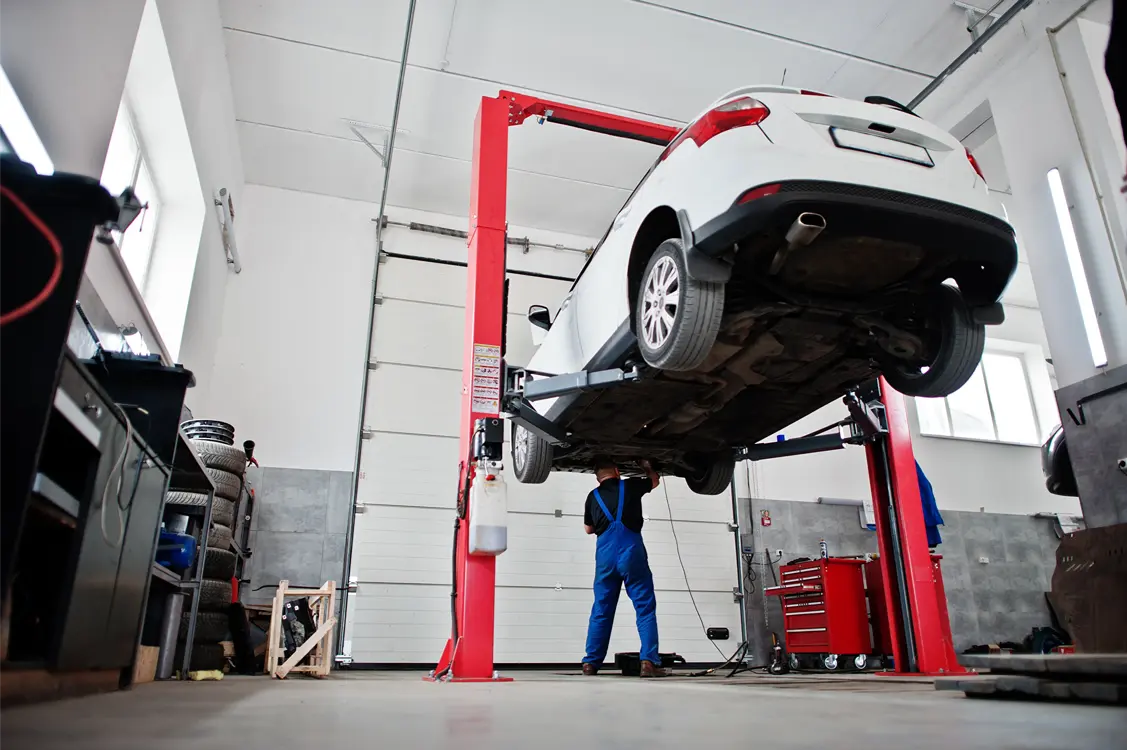
Your automotive lifts are the literal backbone of your garage, hoisting thousands of pounds day after day. Because they are such reliable workhorses, it’s easy to take them for granted. However, they have one of the toughest jobs in the shop, and over time, that constant stress leads to “invisible” wear and tear, like frayed cables or tiny hydraulic leaks that can put your technicians and your customers’ vehicles at serious risk.
Regular ALI (Automotive Lift Institute) inspections are the best way to catch these problems before they turn into a catastrophe. Here is everything you need to know about keeping your equipment, and your business, running safely.
Why You Can’t Skip Your Annual Inspection
- Safety is the Bottom Line: Inspections catch problems early, such as worn-out cables or components that aren’t lined up properly, keeping your team out of harm’s way.
- Stay Compliant: The ALI sets rigorous safety and performance standards. Staying compliant with these industry standards is often required by OSHA or other regulatory bodies, helping you avoid fines while promoting a culture of professionalism.
- Prevent Costly Downtime: A well-maintained lift works better and experiences fewer interruptions, helping you get the job done faster and more efficiently.
- Save Money on Repairs: Spotting a small issue today is an investment that prevents you from having to pay for expensive repairs or replacing an entire lift down the road.
What Happens During an ALI Inspection?
When an ALI-certified inspector visits your shop, they don’t just give the lift a quick glance. Depending on your specific make and model, they may evaluate up to 120 different points of inspection. This deep dive typically covers:
- Structural Integrity: Assessing the physical bones of the lift.
- Safety Features: Ensuring all built-in protections are functioning.
- The Hydraulic System: Searching for leaks or pressure issues.
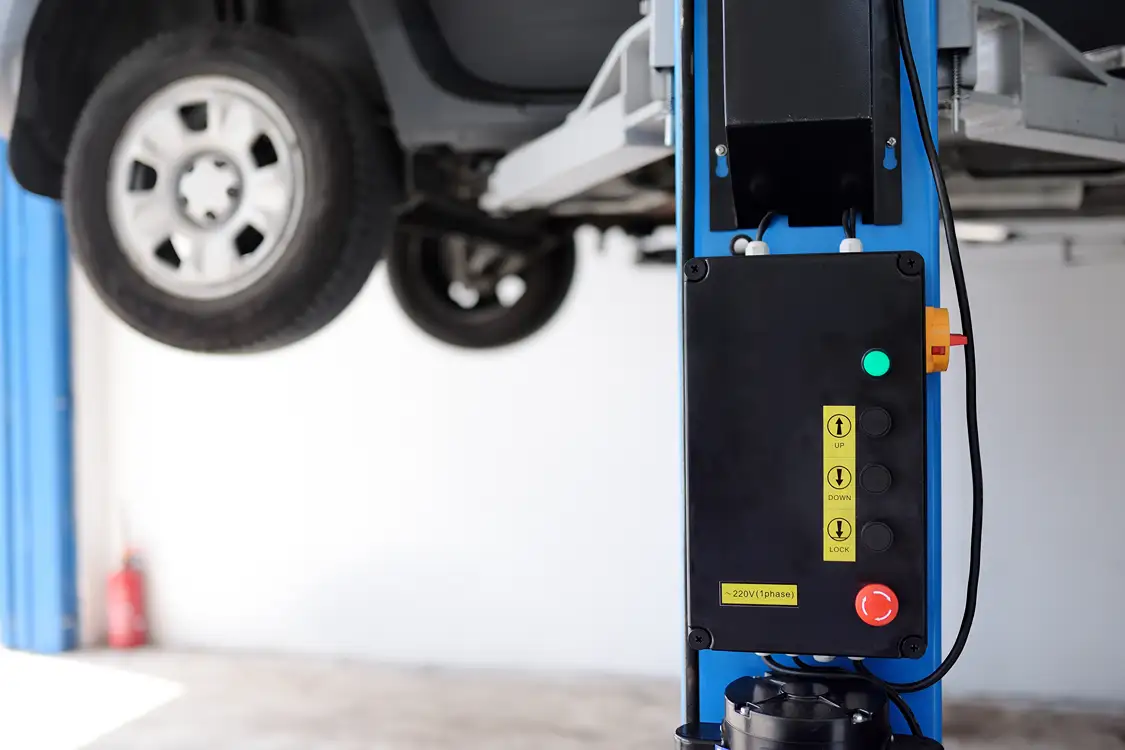
- Electrical Components: Testing the power and control systems.
Once the walkthrough is finished, you’ll receive a detailed report that highlights any areas of concern and provides recommendations for maintenance or repairs.
How Often Should You Schedule One?
If you’ve just installed a brand-new lift, it should be inspected immediately. For established shops, annual inspections are the minimum frequency recommended by most experts.
However, if you run a high-use facility, you might need to move to a semi-annual or even quarterly schedule. Always refer to the manufacturer’s guidelines and consult with an ALI Certified Inspector to determine the best schedule for your specific lifts.
Keeping your shop safe and compliant is a big responsibility, and we are here to help you protect what you’ve built. NARFA’s AICC program is a permanent solution to workers’ compensation needs in Massachusetts for our industry businesses, giving you the long-term stability you need to focus on your operations. Contact us today to learn more.
Recent Posts

Why Your Best Benefit Plan is the One Your Team Actually Uses
The goal of any benefits package is to provide security and value. Yet, in many businesses, employees feel more confused than supported. When your team [...]

April Is Distracted Driving Awareness Month: What NARFA Members Need to Know
If you spend any time on the road, you’ve seen it: the light turns green, the car in front doesn’t move, and the driver is [...]
The AICC Claims Approach for Our Members: Faster Response, Better Control, Stronger Outcomes
In the automotive, roads, fuel, or fleet industries, a workers’ compensation claim can affect more than one employee. It can disrupt production, strain supervisors, pull [...]