

Operating a carwash, whether automatic or manual, demands stringent health and safety measures. In this industry, risks range from chemical exposure to physical hazards, affecting both employees and customers. As a business owner, it’s crucial to implement effective prevention strategies to safeguard against serious injuries. This article highlights key safety considerations for carwash operations, vital for protecting your workforce and clientele, and maintaining a safe working environment.
Safety Risks:
- Vehicle Hazards: The primary risk in any carwash is the vehicle itself. Mismanagement can lead to dangerous or even fatal incidents. Clear guidelines for drivers and pedestrians are essential to prevent accidents.
- Chemical Dangers: The variety of chemicals used in carwashes can pose significant health risks. Skin irritation, eye damage, and more severe health issues can arise if proper safety measures are not in place.
- Slip and Trip Hazards: The combination of water, detergents, and electrical equipment increases the risk of slips, trips, and electrical hazards. These common workplace accidents can be mitigated with careful planning and preventive measures.
- Equipment-Related Injuries: Incorrect or incompetent use of complex carwashing equipment can lead to severe injuries. Regular maintenance and proper operation are key to preventing these accidents.
- Exhaust Fumes: In enclosed spaces, vehicle exhaust can be a serious health hazard, with risks ranging from respiratory problems to more severe conditions like cancer.
Maintaining a Safe Environment:
- Risk Assessment: Conduct a comprehensive risk assessment to identify and mitigate potential hazards. This should encompass safety equipment, staff training, and emergency procedures.
- Driving Precautions: Implement protocols for safe vehicle operation within the carwash to prevent accidents, including speed limits and parking guidelines.
- Slip-Prevention Strategies: Use non-slip floor coverings and keep the area clear of obstructions to minimize slip and trip risks.
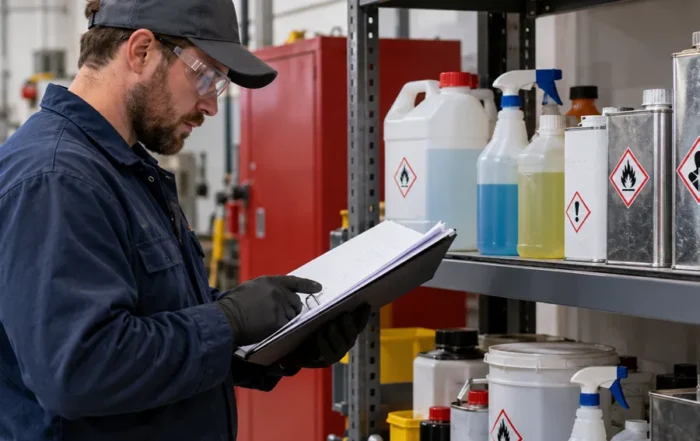
- Chemical Safety: Provide protective gear for employees handling chemicals and ensure proper storage and labeling of hazardous materials.
- Employee Training: Regularly train employees on equipment operation, risk awareness, and safety procedures. High-visibility clothing for staff near moving vehicles can enhance safety.
- Equipment Maintenance: Ensure regular inspection and servicing of all carwash equipment to prevent malfunctions and accidents.
- Ventilation Solutions: Good ventilation is critical in managing exhaust fumes. Consider investing in local exhaust ventilation systems for enhanced safety.
Prioritizing health and safety in carwash operations is not only a regulatory requirement but a fundamental aspect of responsible business management. By adhering to these guidelines, business owners can create a safer environment for both employees and customers, reducing the likelihood of accidents and ensuring compliance with health and safety standards. Regular risk assessments, employee training, and maintaining equipment are key strategies for mitigating potential hazards.
Contact NARFA now for expert advice, resources, and support to help you manage your business’s health and safety needs effectively.
Recent Posts

Massachusetts PFML in 2027: What the New Contribution Structure Means for Employers
If you run a business in Massachusetts, the way your Paid Family and Medical Leave (PFML) contributions are structured changes on January 1, 2027. Here's [...]
The OSHA Hazard Communication Deadline Is Coming: What It Means for Your Business
If your business keeps solvents, paints, fuels, adhesives, or cleaners on site, OSHA's Hazard Communication Standard applies to you, and it has a new deadline [...]

What the DOL’s New Mental Health Parity Enforcement Policy Means for Your Health Plan
Mental health coverage rules for group health plans shifted again this fall, and the change is worth understanding whether you already offer a plan or [...]