
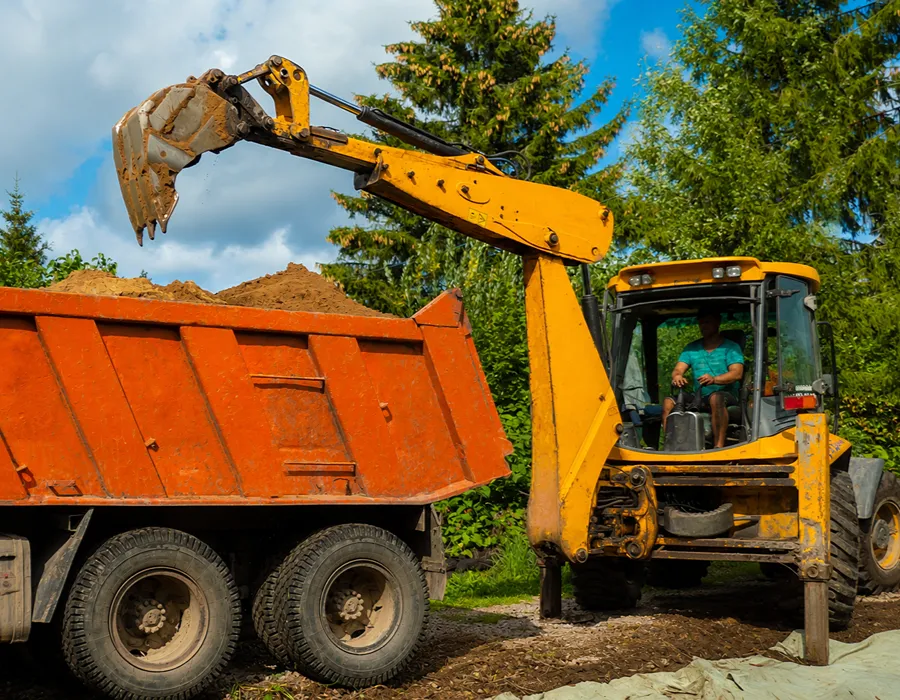
Most of the injuries that cost you a worker for a month did not happen during unusual or high-risk work. They happened during routine work done a few seconds too fast, when something heavy moved and a person was in its path. Struck by and struck against injuries stay near the top of the loss list year after year, and they do it quietly.
What the data shows
Across all U.S. industries, being struck by or against an object is the leading cause of injuries that force a worker to miss days on the job. Contact incidents accounted for 860,050 cases in 2023 and 2024 involving days away from work, restricted duty, or job transfer.
The picture in the repair and service trades is just as serious. The U.S. repair and maintenance industry recorded 148 worker deaths on the job in 2024. That year, for every 100 full-time workers in the industry, 1.3 cases were severe enough to cause days away from work, restricted duty, or a job transfer.
The figures above reflect the most current published data by the Bureau of Labor Statistics.
Where it happens
The specifics change by trade. The mechanism does not. Something heavy moves, and a person is in its path.
In the shop
- A tire, wheel, or brake drum dropped on a foot or hand
- A hood, deck lid, or tailgate that falls while someone is reaching in
- An air hose or impact tool that whips loose under pressure
- Walking into a raised lift arm, an open door, or a jack handle
In the yard and on the dock
- Loads that shift or fall during loading and unloading
- Material stacked too high or stacked unevenly
- Straps and chains that release under tension
- Workers on foot in the path of backing trucks and equipment
On the road and at the job site
- Cargo that shifts when a trailer door opens
- Tools and materials falling from an elevated position
- Roadside work performed close to live traffic
Cutting the risk
Handling and lifting
Set your footing and your grip before the load moves. Put heavy parts down rather than tossing them. Carry no more than two tires at a time and never stack tires above shoulder height. Support hoods, tailgates, and doors before anyone reaches underneath.
Lifts, jacks, and stands
Lower every lift onto its mechanical safety locks. Hydraulics hold a vehicle. Locks hold a vehicle safely. Use jack stands every time, without exception. A jack raises a load. A stand holds it. Have lifts inspected annually and keep load ratings posted and legible.
Pressure and stored energy
Point air hoses away from yourself and everyone around you, and check fittings before charging a line. Stand out of the path when seating a tire bead. Treat any strap, chain, or spring under tension as something that will move when it releases.
Traffic and equipment
Establish walking routes that keep people out of vehicle paths. Use spotters when equipment backs up. Make eye contact with an operator before you cross behind a machine. High-visibility clothing is not optional in an active yard.
Housekeeping and communication
Store parts and tools so nothing can roll, slide, or fall. Keep walkways clear of cords, creepers, hoses, and handles. Wear safety glasses and steel-toe boots. And say something when you see a hazard. The person next to you may not have seen it.
Why this belongs on your radar
Every one of these injuries costs more than the medical bill. You lose a skilled person during your busiest stretch, you pay overtime to cover the gap, and the claim follows you into your experience rating for years. A crew that pauses for two seconds before a lift or a load costs you nothing.
Toolbox talks work when they are short, specific, and repeated. Pick one section of this article and walk your crew through it at the start of a shift. Then pick another one next month.
How NARFA supports members
NARFA has worked with construction, trucking, fuel, automotive, and other fleet-based businesses across New England since 1929. Members get access to group health coverage, employee benefits, and workers’ compensation programs built for how these businesses actually operate, along with people who know members by name.
For Massachusetts members, NARFA also administers the AICC, a self insured workers compensation program that has served the region’s employers for decades. AICC is available to Massachusetts members only.
If you want to talk through what your business is spending on benefits and workers’ compensation, reach out. A conversation costs nothing. Contact us today to learn more about our programs, support, and more.
Recent Posts

Massachusetts PFML in 2027: What the New Contribution Structure Means for Employers
If you run a business in Massachusetts, the way your Paid Family and Medical Leave (PFML) contributions are structured changes on January 1, 2027. Here's [...]
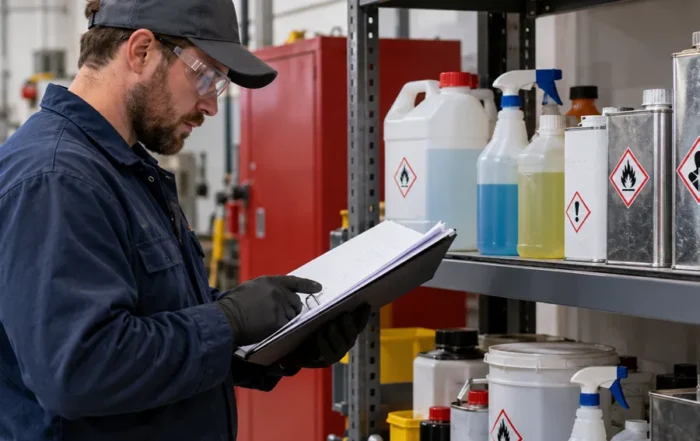
The OSHA Hazard Communication Deadline Is Coming: What It Means for Your Business
If your business keeps solvents, paints, fuels, adhesives, or cleaners on site, OSHA's Hazard Communication Standard applies to you, and it has a new deadline [...]

What the DOL’s New Mental Health Parity Enforcement Policy Means for Your Health Plan
Mental health coverage rules for group health plans shifted again this fall, and the change is worth understanding whether you already offer a plan or [...]