
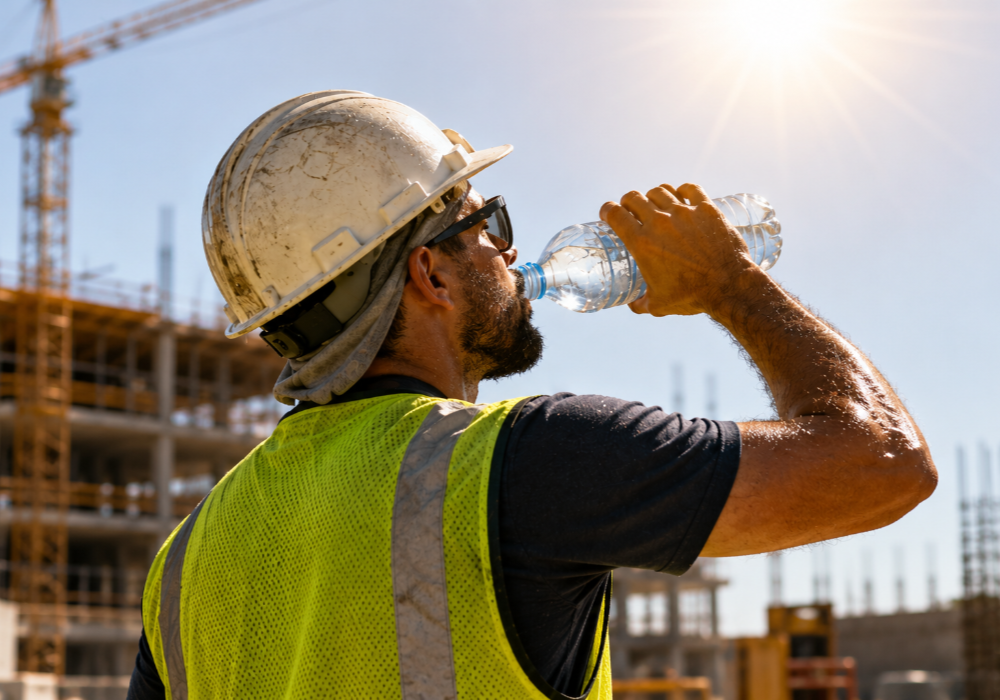
Summer heat can turn a normal workday into a serious safety risk fast. For NARFA industries like automotive, roads, fuel, fleet, transportation, oil and gas, HVAC, plumbing, landscaping, and construction, heat safety is both a seasonal reminder and it is tied closely to planning, supervision, and everyday decisions on the job.
Why Heat Safety Matters More Than Ever
Temperatures and humidity are rising, and so are expectations for how employers manage heat exposure. Regulators and safety organizations are placing more emphasis on indoor and outdoor heat hazards, and many states are moving ahead with their own requirements for outdoor work, hot facilities, and high-exertion jobs.
For NARFA members, that is especially important because many teams are working outdoors on roads, landscaping jobs, and construction sites, spending long hours in or around hot vehicles, fuel operations, and equipment yards, and servicing roofs, attics, boiler rooms, crawl spaces, and tight mechanical areas with limited air flow. Heat is no longer viewed as a background condition. It is increasingly treated like any other serious workplace hazard that must be anticipated, controlled, and managed.
Key Heat-Safety Expectations
Even as formal rulemaking evolves, some themes are already clear. Employers are increasingly expected to recognize when heat conditions reach certain risk levels, often based on the heat index rather than air temperature alone, and to provide access to cool drinking water, shade, or cool-down areas. Rest breaks are expected to reflect the conditions and workload, especially when temperatures and humidity climb.
Training is another core expectation. Workers and supervisors should know the common signs and symptoms of heat illness and understand what to do when they see them. A clear response plan with who to call, where to go, and how to cool someone down, rounds out the foundation of an effective program. State-level activity is driving additional attention to heat, especially in sectors with outdoor work and heavy physical labor, which means NARFA industries are likely to remain in focus when it comes to heat management and worker protections.
Build a Strong Heat Illness Prevention Plan
A written heat illness prevention plan is quickly becoming a best practice, and in some locations, an expectation. It should be practical, easy to use, and tailored to your specific operations and worksites rather than copied from a generic template.
At a minimum, your plan should cover how you monitor weather and the heat index each day, who has authority to modify work based on conditions, and when extra breaks, shade, or cooling are required. It should spell out how and where workers access drinking water, what steps supervisors must take if a worker shows symptoms, and how new and returning workers are eased back into hot conditions. A plan only helps if people know it and use it, so regular safety talks and short refreshers before hot shifts go a long way toward keeping it front of mind.
New Lists for Members: What to Keep in Mind
Daily Heat-Safety Checklist for Supervisors
- Check the forecast and heat index before every shift.
- Adjust start times to earlier in the day during extreme heat.
- Move the heaviest work to cooler hours when possible.
- Confirm water, cups, and coolers are ready and fully stocked.
- Identify shaded or cool indoor areas for breaks.
- Review heat symptoms and emergency steps during the tailgate meeting.
- Assign a point person to monitor workers for early warning signs.
Simple Rules for Workers in the Heat
- Drink water regularly, not just when you feel thirsty.
- Take full advantage of scheduled cool-down breaks.
- Speak up right away if you feel lightheaded, confused, or unusually tired.
- Use a buddy system to check on coworkers throughout the shift.
- Avoid energy drinks and excessive caffeine before or during hot work.
- Wear lightweight, breathable clothing when allowed by the job.
Acclimatization: Bringing Workers Up to Full Duty Safely
Acclimatization is simply giving the body time to adjust to hot conditions. New hires, seasonal staff, and employees coming back from time off are at higher risk because their bodies are not yet used to working in the heat. Instead of sending them straight into full-duty work on the hottest days, ease them in with lighter tasks, shorter periods in direct heat, and more frequent breaks. Over the course of one to two weeks, you can gradually increase both the workload and time spent in hot areas. Supervisors should keep a close eye on these workers, check in often, and pair them with experienced team members who can help spot early warning signs.
Indoor and Enclosed Space Heat Controls
Heat is not just an outdoor problem. Shops, garages, warehouses, mechanical rooms, and back-of-house spaces can trap heat and stay hot well after the sun goes down. Good airflow makes a big difference, whether that means using fans safely, opening bay doors when conditions allow, or improving ventilation in specific hot spots. Rotating staff through the hottest areas, scheduling high-heat tasks for earlier or later in the day, and building in extra recovery time can help keep indoor and enclosed work safer. Where possible, plan regular cool-down breaks in office areas, break rooms, or air-conditioned vehicles so workers have a chance to recover during the shift.
Industry-Specific Heat Risks to Watch
Every NARFA industry sees heat in a slightly different way, and your program should reflect that reality. In automotive and repair shops, service bays can turn into heat traps, especially when dark floors and equipment hold onto warmth and technicians spend long periods near hot engines and exhaust. Road and fleet operations deal with heat radiating from asphalt and concrete, combined with time in cabs, loading zones, and roadside work that offers little shade during long shifts.
Fuel, oil and gas operations add the challenge of hot equipment, remote locations, and protective gear that can make it harder for the body to cool itself. HVAC, plumbing, landscaping, and construction crews often work on roofs, in attics, or in tight spaces where air does not move and temperatures spike quickly, all while doing physically demanding work. By naming these specific situations in your training and plan, you make it easier for crews to connect the guidance to the work they do every day.
Recognizing and Responding to Heat Illness
Heat illness usually does not start with a collapse; it starts with small changes that are easy to overlook on a busy job. Common early signs include headache, dizziness, nausea, cramps, or feeling unusually tired, along with heavy sweating or, later, skin that feels hot and dry. Workers may seem confused, irritable, or just “off,” and these subtle changes are often the first signal that action is needed.
When someone starts showing these symptoms, the safest move is to act right away. Move the person to a shaded or cooler area, loosen unnecessary clothing or gear, and offer cool water if they are awake and able to drink. Using cool, wet cloths, misting, or fans can help bring body temperature down. If symptoms are severe, do not improve quickly, or include confusion, fainting, or loss of consciousness, call emergency services and keep cooling the person while you wait. Clear instructions and practiced steps help supervisors and coworkers move quickly instead of losing time deciding what to do.
Communication: Setting the Right Expectations
A strong heat-safety program depends on honest, ongoing communication. Workers need to feel confident that speaking up about symptoms, asking for water, or taking a cool-down break will be supported. When people worry about being seen as weak or slowing the job down, they are more likely to stay quiet until a minor issue becomes an emergency.
Supervisors set the tone when they talk about heat at the start of the shift, follow the plan themselves, and step in early when they see someone struggling. Short, frequent conversations about the forecast, the plan for the day, and any adjustments to workloads or schedules reinforce that heat safety is part of the job, not an extra task. When everyone understands the expectations and knows that safety takes priority during extreme heat, crews are more likely to raise concerns early and look out for one another.
Final Thoughts for NARFA Members
For NARFA employers, heat safety is firmly tied to operations, expectations, and long-term workforce health. A clear plan, consistent training, and strong supervision can prevent many serious incidents before they start. Refreshing your approach now, before the hottest weeks of the year, will protect your people, keep your business prepared for evolving expectations, and support safer, more productive worksites across every NARFA industry.
To learn more about NARFA programs and our self-insured workers’ compensation program in Massachusetts, please contact us today.
Recent Posts
Massachusetts PFML in 2027: What the New Contribution Structure Means for Employers
If you run a business in Massachusetts, the way your Paid Family and Medical Leave (PFML) contributions are structured changes on January 1, 2027. Here's [...]
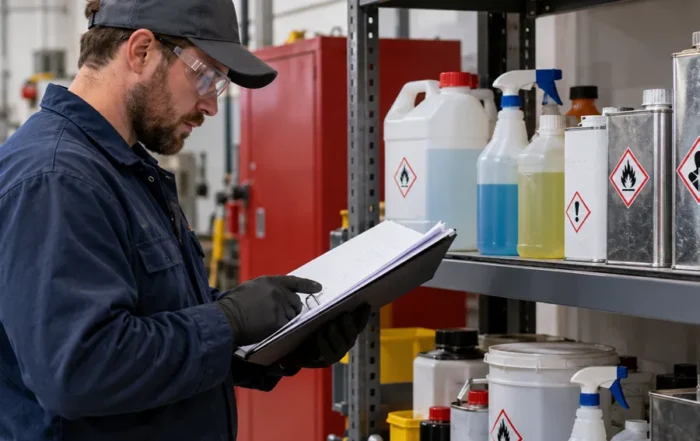
The OSHA Hazard Communication Deadline Is Coming: What It Means for Your Business
If your business keeps solvents, paints, fuels, adhesives, or cleaners on site, OSHA's Hazard Communication Standard applies to you, and it has a new deadline [...]

What the DOL’s New Mental Health Parity Enforcement Policy Means for Your Health Plan
Mental health coverage rules for group health plans shifted again this fall, and the change is worth understanding whether you already offer a plan or [...]